

Vietnamese Culture: Traditions, Customs and Etiquette for Travelers
Discover Vietnamese culture is shaped by more than four thousand years of history, a rice-farming heritage, and the blending of many influences, from Confucianism and Buddhism to French colonial life. For travelers, understanding the local traditions turns a simple trip into a meaningful journey. This guide introduces Vietnam’s core values, festivals, religion, arts, and daily customs, and finishes with practical etiquette tips.
The Foundations of Vietnamese Culture
Vietnam is home to 54 recognized ethnic groups. The Kinh (Viet) people make up the large majority, while groups such as the Tay, Thai, Hmong, Dao, Cham, and Khmer add great diversity, especially in the mountains of the north and the central highlands. Each group has its own language, costumes, festivals, and architecture.
Wet-rice farming has shaped Vietnamese life for millennia. The village, the rice field, and the communal house (dinh) were the center of community life, and that spirit of cooperation and mutual support still runs through society today.
Three belief traditions, often called the “three teachings,” have deeply influenced Vietnamese thinking: Confucianism (respect for family, education, and social harmony), Buddhism (compassion and spiritual balance), and Taoism (harmony with nature). Alongside them sits a strong tradition of ancestor worship, which is the true everyday religion of most families.
Family and Social Values
Family is the heart of Vietnamese society. Several generations often live together or very close by, and decisions are made with the whole family in mind.
- Respect for elders. Older people are greeted first, served first at meals, and consulted on important matters.
- Filial piety. Caring for parents and grandparents is considered a basic duty.
- Education. Families place great value on study, and teachers are deeply respected. National Teachers’ Day on 20 November is a major occasion.
- Harmony and “saving face.” Vietnamese people tend to avoid open conflict and public criticism. Politeness, patience, and a smile go a long way.
You will also notice the many ways of addressing people. Vietnamese uses family words such as anh (older brother), chi (older sister), co (aunt), and chu (uncle) even with strangers, which reflects the family-centered view of society.
Ancestor Worship and Spiritual Life
In most Vietnamese homes you will find an ancestral altar, often with photographs, incense, fruit, and flowers. Families light incense on the 1st and 15th days of the lunar month and on death anniversaries to remember those who have passed. Many businesses also keep a small altar to the God of Wealth or the Earth God for good luck.
Religion in Vietnam is diverse. Buddhism is the most widely practiced tradition, and there are also Catholic, Protestant, Cao Dai, and Hoa Hao communities, as well as a vibrant folk religion. One well-known example is the worship of the Mother Goddesses (Dao Mau), which UNESCO recognized as an Intangible Cultural Heritage of Humanity.
Vietnamese Festivals and Holidays
Vietnam follows both the solar and lunar calendars, and the most important festivals are based on the lunar calendar.
Tet (Lunar New Year)
Tet Nguyen Dan is the most important holiday of the year, usually in late January or February. Families clean their homes, cook special foods such as banh chung (sticky rice cake), decorate with peach blossoms in the north and apricot blossoms in the south, give red envelopes of “lucky money,” and visit relatives. Many shops close for several days, so plan ahead if you travel during this period. Streets are quiet on the first days of Tet but beautifully decorated.
Mid-Autumn Festival
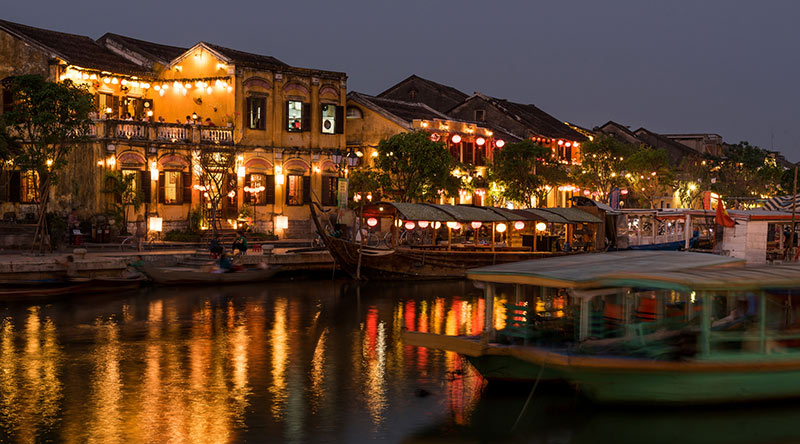
Held on the 15th day of the eighth lunar month, this festival is especially for children. Streets fill with colorful lanterns, lion dances, and mooncakes. The Old Quarter in Hanoi and the lantern town of Hoi An are particularly lively.
Other Festivals Worth Knowing
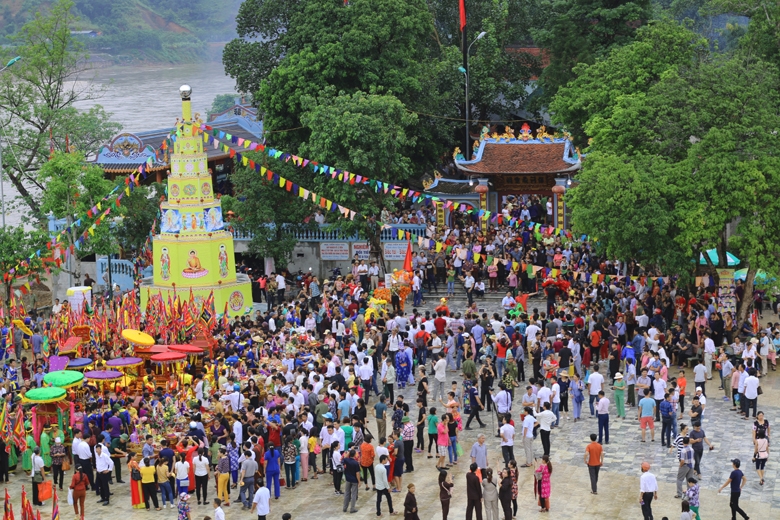
- Hung Kings’ Commemoration Day (10th day of the third lunar month): honors the legendary founders of the nation.
- Perfume Pagoda Festival: a spring pilgrimage near Hanoi, with boat rides and temple visits.
- Hue Festival: celebrates the culture of the former imperial capital.
- Vu Lan: a Buddhist festival of filial piety in the seventh lunar month.
Traditional Arts and Crafts
Vietnamese arts reflect the countryside, the spiritual world, and the everyday life of its people.
- Water puppetry (mua roi nuoc): Born in the flooded rice fields of the Red River Delta more than a thousand years ago, this unique art uses wooden puppets that dance on water, accompanied by live folk music. Performances in Hanoi are a favorite with visitors.
- Traditional music: Instruments such as the dan bau (monochord), dan tranh (zither), and bamboo flute create a distinctive sound. UNESCO has recognized several traditions, including Quan ho folk singing from Bac Ninh, Ca tru, Don ca tai tu from the south, and the gong culture of the Central Highlands.
- Ao dai: The graceful long tunic worn over trousers is Vietnam’s national dress. You can have one tailored in Hoi An within a day or two.
- Craft villages: Villages specialize in ceramics (Bat Trang), silk (Van Phuc), conical hats, lacquerware, and incense, many within easy reach of Hanoi.
- Dong Ho folk paintings: Colorful woodblock prints with scenes of village life and good wishes, traditionally made around Tet.
Language and Writing
Vietnamese is a tonal language with six tones, which can make it challenging for newcomers. The modern script, quoc ngu, uses the Latin alphabet with accent marks and was popularized in the early 20th century. Locals greatly appreciate even a few words from visitors:
- Xin chao – Hello
- Cam on – Thank you
- Xin loi – Sorry / Excuse me
- Bao nhieu tien? – How much is it?
- Ngon qua! – Delicious!
In tourist areas, English is increasingly common, especially among younger people.
Daily Life and Modern Culture
Daily life in Vietnam starts early. Parks fill with people doing morning exercise, tai chi, and badminton before sunrise. Cafe culture is huge, and sitting on a small stool with an iced coffee watching the traffic is a national pastime. Motorbikes are the main means of transport in cities, so the streets can seem chaotic, but a flow of cooperation keeps everyone moving.
Modern Vietnam is also young, creative, and fast-changing. Alongside traditional festivals, you will find contemporary art spaces, live music, street fashion, and a growing food and coffee scene. This mix of old and new is what makes the culture so fascinating.
Vietnam Travel Etiquette: Do’s and Don’ts
Following a few simple customs will help you travel respectfully and earn warm smiles from your hosts.
Do:
- Dress modestly at temples, pagodas, and mausoleums. Cover your shoulders and knees.
- Remove your shoes when entering homes and many temples or when you see shoes at the door.
- Greet people politely and smile. Use both hands when giving or receiving items such as business cards, gifts, or money, especially with elders.
- Bargain gently in markets with a friendly attitude, and know that fixed prices apply in shops and restaurants.
- Accept food and tea offered by a host. Even a small taste is polite.
- Ask permission before photographing people, especially monks and ethnic minority villagers.
Don’t:
- Don’t touch someone’s head or point your feet at people or altars. The head is considered sacred, and the feet are considered lowest.
- Don’t stick chopsticks upright in a bowl of rice. It resembles incense offered to the dead.
- Don’t raise your voice or show anger in public. Staying calm is highly valued.
- Avoid public displays of affection, which are less common in traditional settings.
- Don’t beckon with your palm up. Wave your fingers downward instead.
- Don’t discuss sensitive political topics carelessly. Keep conversations friendly and curious.
Gift-Giving and Tipping Customs
If you are invited to a Vietnamese home, bringing fruit, sweets, or a small gift from your country is a thoughtful gesture. Avoid gifts in sets of four, as the number is associated with bad luck, and avoid black or white wrapping. Tipping is not mandatory but is appreciated for guides, drivers, and good service.
Discover Vietnamese culture with Haiauviettravel
The best way to understand Vietnamese culture is to experience it with local people. Haiauviettravel designs cultural tours with English-speaking guides, including visits to craft villages, water puppet shows, pagodas, traditional festivals, homestays, and cooking classes. We can tailor private itineraries from Hanoi to Hue, Hoi An, and Ho Chi Minh City to match your interests.
Contact us to plan your trip:
Hotline: 077.639.8386 | Mobile: 0243.992.8386
Email: dulichsukienhaiauviet@gmail.com
Head office: No30 LK17 Le Lai Street, Ha Dong District, Hanoi
HCMC office: D4/19 Vinh Loc, Binh Chanh, Ho Chi Minh City
Frequently Asked Questions
What is the most important festival in Vietnam?
Tet, the Lunar New Year, is the biggest and most meaningful celebration, centered on family reunion and honoring ancestors.
Is it safe and respectful to take photos in Vietnam?
Yes, but always ask before photographing people, and avoid taking photos in restricted areas or during religious ceremonies unless permitted.
What should I wear when visiting temples in Vietnam?
Wear clothes that cover shoulders and knees, and be ready to remove your shoes.
Do I need to speak Vietnamese to travel there?
No. English is common in tourist areas, but learning a few basic phrases is warmly appreciated.
What is the best time to experience Vietnamese traditions?
Spring is ideal for festivals, while the Mid-Autumn Festival in September or October is wonderful for lanterns and street life. Check lunar calendar dates before booking.
 Northern Vietnam Tour