



Vietnamese Food Guide: What to Eat in Vietnam
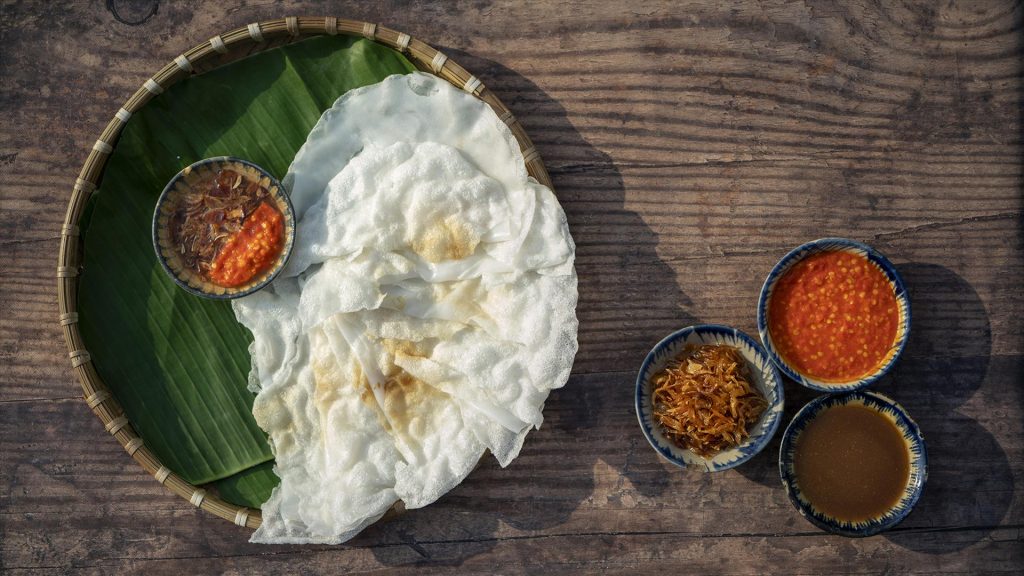
Vietnamese food is one of the best reasons to visit the country. From a steaming bowl of noodles on a Hanoi sidewalk to a crispy pancake in a Saigon alley, every meal tells a story of climate, history, and family tradition. Fresh herbs, bright flavors, and remarkably affordable prices make Vietnamese cuisine a favorite among travelers and food writers worldwide.
This guide explains what makes Vietnamese cooking unique, introduces 15 must-try dishes, compares the cuisines of the North, Center, and South, and shares practical tips so you can eat with confidence.
What Makes Vietnamese Cuisine Special?
Vietnamese cooking is built on balance. Most dishes aim to harmonize five tastes (sweet, sour, salty, bitter, and spicy) along with a variety of textures, from crunchy herbs to silky noodles. Traditional thinking also seeks balance between “hot” and “cool” ingredients, which is why a rich grilled meat is often served with fresh greens and a tangy dipping sauce.
Several features define the cuisine:
- Fresh herbs and vegetables. Mint, coriander, Thai basil, perilla, and lettuce appear on nearly every table, often served on a plate for you to add as you like.
- Fish sauce (nuoc mam). This salty, savory sauce is the heart of Vietnamese seasoning, used in marinades, soups, and dipping sauces.
- Rice in every form. Steamed rice, rice noodles, rice paper, and rice cakes are the foundation of daily meals.
- Light cooking methods. Grilling, steaming, boiling, and quick stir-frying keep dishes fresh rather than heavy.
- Influences from neighbors and colonizers. Chinese, French, Khmer, and Cham traditions have all shaped what Vietnamese people eat today. The baguette and coffee culture are famous French legacies.
Eating the Vietnamese Way
Understanding local dining habits makes your experience richer. Meals at home and in restaurants are typically shared family-style: rice, soup, and several dishes are placed in the center, and everyone takes small portions into their own bowl. Chopsticks are used for noodles and most dishes, while spoons are used for soup and rice. Many noodle dishes come with a side plate of herbs, bean sprouts, lime, and chili, so you can customize each bowl.
Street food is not a “second-class” meal in Vietnam; it is the heart of the food culture. Many families have run the same stall for generations, serving just one or two dishes they have perfected. Sitting on a small plastic stool beside a busy street, with a bowl in hand, is one of the most authentic experiences you can have.
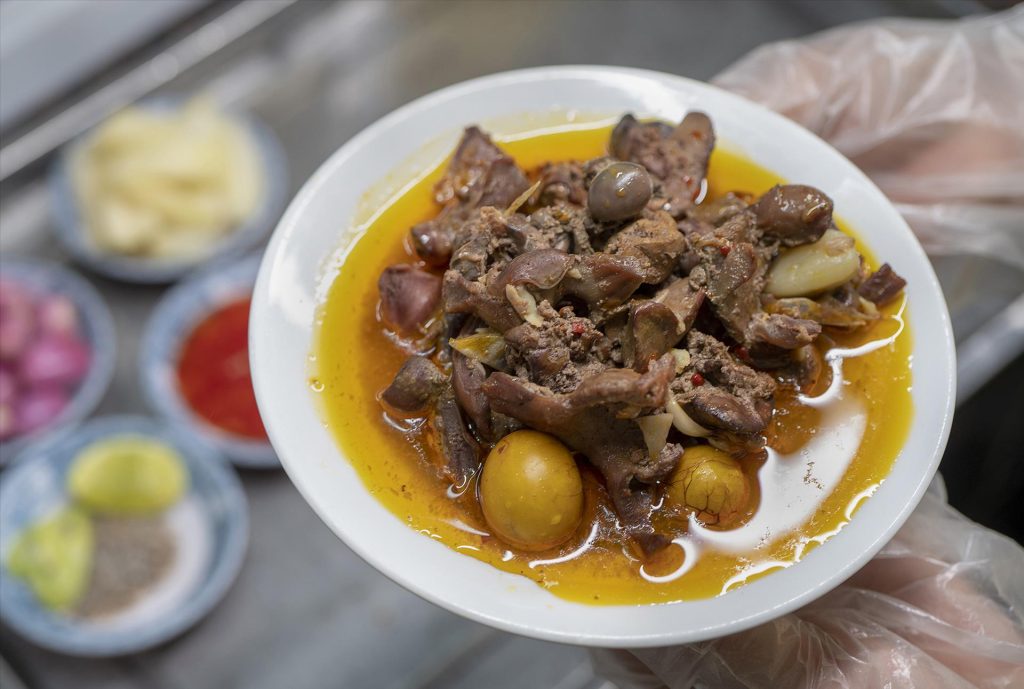
15 Must-Try Vietnamese Dishes
1. Pho
Pho is Vietnam’s best-known dish: flat rice noodles in a clear, aromatic broth simmered for hours with beef bones, charred ginger, onion, and spices such as star anise and cinnamon. It is served with thin slices of beef (pho bo) or chicken (pho ga). Most Vietnamese enjoy it for breakfast, though you will find it open all day.
2. Banh Mi
A crisp, airy baguette filled with pate, cold cuts or grilled meat, pickled carrot and daikon, cucumber, chili, and fresh coriander. Banh mi is a delicious fusion of French bread and Vietnamese flavors, perfect for a quick, cheap lunch on the go.
3. Bun Cha
A Hanoi specialty of grilled pork patties and slices of pork belly served in a sweet-and-sour broth, with a bowl of cool rice vermicelli and a basket of herbs. The smoky aroma of charcoal grills drifts through Hanoi’s Old Quarter at lunchtime.
4. Goi Cuon (Fresh Spring Rolls)
Translucent rice paper wrapped around shrimp, pork, vermicelli, lettuce, and herbs, served with a rich peanut or hoisin dipping sauce. Light, healthy, and refreshing in hot weather.
5. Cha Gio / Nem Ran (Fried Spring Rolls)
Crispy golden rolls filled with minced pork, mushrooms, and glass noodles. Wrap them in lettuce with herbs and dip them in sweet-sour fish sauce for the traditional experience.
6. Bun Bo Hue
A bold noodle soup from the former imperial capital, Hue. Thick round noodles swim in a spicy broth flavored with lemongrass and shrimp paste, topped with beef and pork. Expect a deeper, spicier taste than pho.
7. Cao Lau
A dish that belongs to Hoi An. Chewy noodles, traditionally made with water from local wells, are topped with slices of roast pork, fresh greens, and crunchy crackers. It is hard to find the real thing outside this ancient town.
8. Mi Quang
Turmeric-yellow noodles served with only a small amount of rich broth, topped with shrimp, pork, peanuts, and sesame rice crackers. This is a signature dish of Da Nang and Quang Nam.
9. Banh Xeo
A “sizzling pancake” made from rice flour and turmeric, filled with shrimp, pork, and bean sprouts. Tear off a piece, wrap it in lettuce and herbs, and dip it in sauce. It is especially popular in central and southern Vietnam.
10. Com Tam
“Broken rice” served with grilled pork chop, shredded pork skin, a slice of egg meatloaf, and pickled vegetables. A beloved everyday lunch in Ho Chi Minh City.
11. Hu Tieu
A southern noodle soup, served either with broth or “dry” with sauce on the side. Toppings often include pork, shrimp, and quail eggs. It reflects the Chinese and Khmer influence in the Mekong region.
12. Cha Ca La Vong
Turmeric-marinated fish grilled and then sizzled at your table with generous amounts of fresh dill and spring onion, served with vermicelli, peanuts, and shrimp paste. A classic of old Hanoi.
13. Banh Cuon
Paper-thin steamed rice sheets rolled around minced pork and wood-ear mushrooms, served with fried shallots and a light dipping sauce. A favorite northern breakfast.
14. Egg Coffee (Ca Phe Trung)
Invented in Hanoi in the 1940s, when milk was scarce, this dessert-like drink combines egg yolk whipped with sugar and condensed milk and layered over strong Vietnamese coffee. Rich, creamy, and unforgettable.
15. Che
A broad family of sweet dessert soups and puddings made with beans, jellies, tapioca, fruit, and coconut milk. Served warm or over ice, depending on the weather.
Regional Vietnamese Food: North, Center, South
Vietnam stretches more than 1,600 kilometers from north to south, and the food changes along the way.
Northern Vietnam (Hanoi and surroundings) is known for subtle, balanced flavors with less sugar and less chili than other regions. Black pepper, fresh herbs, and good-quality fish sauce are the stars. Classic dishes include pho, bun cha, cha ca, banh cuon, and bun rieu (crab noodle soup).
Central Vietnam (Hue, Da Nang, Hoi An) has the boldest flavors in the country. Cooks here use plenty of chili, shrimp paste, and fermented sauces, a tradition shaped by the royal kitchens of Hue and by a harsher climate with fewer ingredients. Portions are often small and beautifully arranged. Try bun bo Hue, mi Quang, cao lau, banh beo, and banh khoai.
Southern Vietnam (Ho Chi Minh City and the Mekong Delta) enjoys year-round tropical produce, so dishes tend to be sweeter and fresher, with generous coconut milk, sugar, and herbs. Highlights include com tam, banh xeo, hu tieu, and Mekong river fish, along with fruits such as mango, rambutan, and dragon fruit.
Vietnamese Drinks to Try
- Ca phe sua da. Strong drip coffee with sweet condensed milk over ice, a daily ritual in Vietnam.
- Bia hoi. Fresh, light draft beer brewed daily and sold for very little, especially popular in Hanoi’s Old Quarter.
- Nuoc mia and coconut water. Freshly pressed sugarcane juice and coconut water are ideal on hot days.
- Tra (tea). Green tea, lotus tea, and jasmine tea are offered at many restaurants and homes.
- Sinh to. Thick fruit smoothies made with avocado, mango, or soursop.
Vietnam Street Food: Tips for Travelers
- Follow the crowd. A busy stall with quick turnover is usually fresh and delicious.
- Watch the cooking. Choose places where food is prepared in front of you.
- Learn a few useful phrases. “Khong cay” means not spicy, “khong hanh” means no onion, and “cam on” means thank you.
- Carry small bills. Most street vendors accept cash only.
- Vegetarian travelers. Say “an chay” and look for vegetarian restaurants, which are common near pagodas. Remember that many broths and sauces contain fish sauce, so ask when unsure.
- Stay hydrated and careful. Drink bottled water and choose beverages served in sealed containers or with clean ice.
- Mind the heat. Chili is usually served on the side, so you can add it gradually.
Sample One-Day Food Itinerary in Hanoi
- Morning: Start with a bowl of pho or banh cuon, followed by a Vietnamese coffee.
- Midday: Enjoy bun cha at a busy local eatery.
- Afternoon: Cool down with che or fresh fruit, then try egg coffee overlooking Hoan Kiem Lake.
- Evening: Share cha ca and a glass of bia hoi in the Old Quarter.
Discover Vietnamese Food with Haiauviettravel
The best way to understand Vietnamese cuisine is to taste it alongside someone who knows it well. Haiauviettravel offers food tours, cooking classes, and local market visits led by English-speaking guides, from Hanoi’s Old Quarter street food to Hue’s royal cuisine and Saigon’s night markets. We also design private tours that match your dietary needs and interests.
Contact us to book:
Hotline: 077.639.8386 | Mobile: 0243.992.8386
Email: dulichsukienhaiauviet@gmail.com
Head office: No30 LK17 Le Lai Street, Ha Dong District, Hanoi
HCMC office: D4/19 Vinh Loc, Binh Chanh, Ho Chi Minh City
Frequently Asked Questions
Is Vietnamese street food safe to eat?
Generally yes. Choose busy stalls where food is freshly cooked, and drink bottled water.
Is Vietnamese food spicy?
Not by default. Chili, lime, and sauces are usually served on the side so you can adjust the heat yourself.
What is the most famous Vietnamese dish?
Pho is the best known, followed closely by banh mi.
Can vegetarians eat well in Vietnam?
Yes. Vegetarian restaurants are widespread, especially in cities and near temples.
How much does a meal cost in Vietnam?
Street food is very affordable, and a bowl of noodles typically costs only a small fraction of a Western restaurant meal.
What is the best time to try Vietnamese food?
Anytime. Pho and banh mi are popular for breakfast, while night markets come alive in the evening.
 Northern Vietnam Tour